How to Prepare for Your First Foster Care Placement
Preparing for your first foster care placement can bring a mix of hope, nerves, questions, and a deep desire to do things well. You may be thinking about what the child will need, how your family will adjust, what to have ready in your home, and how to offer steady care when so much may feel new.
For foster families, adoptive families, and kinship families in Boone, NC and across the High Country, Foster Connection exists to support, encourage, and connect families as they care for vulnerable children. You do not have to have every answer before a child enters your home. What matters most is preparing with wisdom, humility, compassion, and a willingness to receive support along the way.
In this article:
Prepare your Boone, NC home before the first placement: Have a clean bed, basic hygiene items, clothing, snacks, books, and a simple paperwork folder ready.
Focus on calm support during the first 24 hours: Help the child feel safe with simple routines, gentle choices, familiar food, and clear expectations.
Connect with High Country foster care resources: Foster Connection supports families in Boone, Blowing Rock, Banner Elk, Jefferson, West Jefferson, Lenoir, and Wilkesboro with resources, support groups, and encouragement.
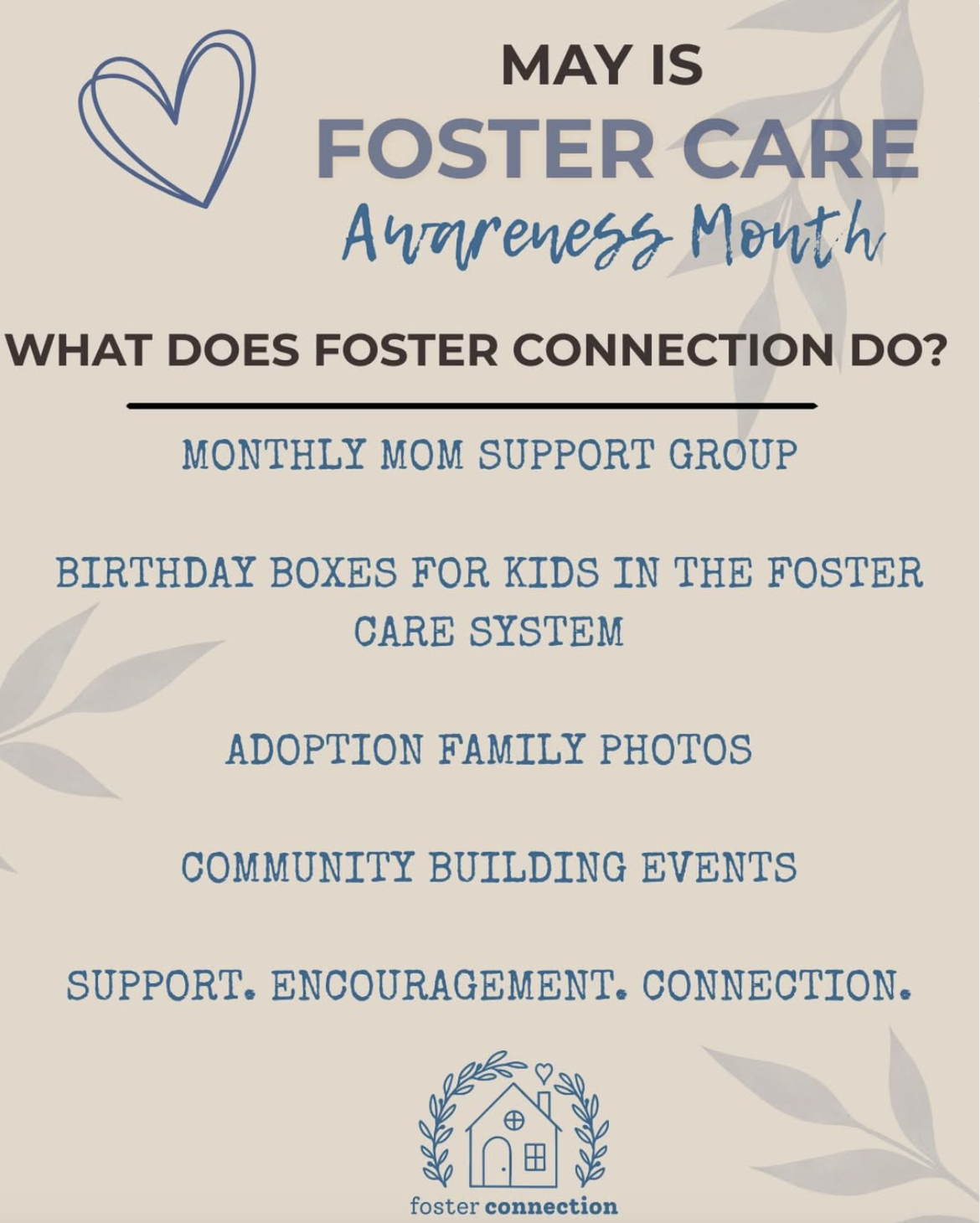
We at Foster Connection specialize in foster care, adoption, and kinship care support in Boone, NC, and the surrounding High Country. Our heart is to walk alongside families with encouragement, practical resources, and faith-based support that truly meets real-life needs. We offer foster support, foster care and adoption training, and family resource connections designed to strengthen families and communities. If you’re looking for connection, guidance, or a way to support vulnerable children, we would love to hear from you. Learn about how to partner or how we help.
Start With a Calm and Flexible Mindset
Your first foster care placement may not look exactly like you imagined. A child may arrive with very little notice, limited belongings, big emotions, or a quiet uncertainty that takes time to understand. The goal is not to create a perfect first night. The goal is to create a safe, calm, and caring environment.
Children entering foster care may be dealing with separation, confusion, grief, fear, or stress. Even if they seem cheerful or calm at first, they may still be carrying a lot inside. Try to focus on consistency, warmth, and patience instead of trying to fix everything right away.
Simple phrases can go a long way:
“You are safe here.”
“We are glad you are here.”
“You can ask questions anytime.”
“We will help you know what to expect.”
These small statements can help a foster child begin to understand that your home is a place of care and stability.
Prepare Your Home Before the Call Comes
You do not need an elaborate setup to care for a child well, but it helps to have a few essentials ready. In Boone, Blowing Rock, Banner Elk, Jefferson, West Jefferson, Lenoir, and Wilkesboro, many foster families receive placements with little warning. Having basic supplies on hand can reduce stress during those first few hours.
Consider preparing:
A clean bed with extra blankets and pillows
Basic hygiene items, including toothbrushes, toothpaste, shampoo, soap, and hair care products
Pajamas and a few clothing options in different sizes
Easy meals, snacks, and drinks
Books, stuffed animals, coloring supplies, or quiet activities
A nightlight, laundry basket, and small storage space for belongings
A folder for paperwork, appointments, school notes, and contact information
Try not to overcomplicate it. A child does not need a showroom bedroom. They need a space that feels clean, thoughtful, and safe.
Think Through the First 24 Hours
The first day of a foster care placement is often about meeting basic needs and helping the child settle in. Instead of asking too many questions right away, focus on comfort and predictability.
Show them where the bathroom is, where they will sleep, where to put their things, and what they can eat. Let them know simple household routines, such as bedtime, meals, pets, and where they can find water or snacks.
Food can be especially meaningful. Some children may be hungry when they arrive. Others may not want to eat at all. Keep options simple and familiar, such as sandwiches, fruit, crackers, pasta, cereal, or soup. Giving choices can help a child feel a small sense of control.
You might say, “We have cereal, toast, or fruit. You can pick what sounds best.”
That kind of gentle choice can feel grounding during a very uncertain day.
Prepare Your Family for Foster Care Support
Fostering affects the whole household. If you have children at home, talk with them in age-appropriate ways before your first placement. Help them understand that a foster child may be sad, quiet, angry, nervous, or unsure. Remind them that your family’s role is to be kind, patient, and respectful.
It can also help to talk about sharing space, toys, routines, and attention. Children already in the home may feel excited at first, then confused when the reality of change sets in. Keep communication open and reassure your children that they are loved and included.
Extended family, close friends, and church community members can also be part of your support system. Let trusted people know practical ways they can help, such as bringing a meal, helping with childcare, donating clothing, praying for your family, or offering encouragement.
This is where the phrase “be the village” becomes more than a saying. Foster families need community, connection, and support to keep going with strength and grace.
Know That Attachment Takes Time
One of the most important things to remember is that trust is built slowly. A child may not know how to receive comfort right away. They may test boundaries, reject affection, cling closely, or seem distant. These responses do not mean you are failing.
Many foster youth have learned to protect themselves in different ways. Your steady presence matters, even when you do not see immediate results.
Be consistent with routines. Follow through on what you say. Offer correction with calmness. Give affection without forcing it. Celebrate small signs of trust, such as a child asking for help, choosing to sit near you, or sharing a small detail about their day.
Foster care is not about instant closeness. It is about faithful care, day by day.
Connect With Local Foster Care Resources in Boone, NC
You do not have to prepare alone. Foster Connection serves families in Boone, Blowing Rock, Banner Elk, Jefferson, West Jefferson, Lenoir, and Wilkesboro by offering foster support, foster care resources, adoption support, and connection with others who understand the needs of foster, adoptive, and kinship families.
Support may include resources such as food, clothing, books, helpful contacts, care ideas, support groups, one-to-one care, and education. Foster Connection also seeks to partner with churches, community members, the Department of Social Services, and Child Protective Services to help families feel less alone in the hard and holy work of caring for vulnerable children.
For families preparing for their first placement, having local support can make a meaningful difference. You may need help finding supplies, understanding what to expect, or simply talking with someone who understands.
Make Room for Spiritual and Emotional Support
Foster care asks a lot of the heart. Families often carry joy, grief, hope, uncertainty, and love at the same time. For many Christian foster families and adoptive families, prayer, church support, Scripture, and spiritual encouragement are a vital part of staying grounded.
Community members and churches can also play a powerful role. Not everyone is called to become a foster parent, but many people can support foster families. Providing meals, donating supplies, mentoring, praying, giving financially, or helping meet tangible needs can strengthen the families caring for children in the system.
A foster family should not have to carry the weight alone. Local churches and neighbors can help create a network of care around children and families.
Give Yourself Grace as You Learn
No foster parent feels fully ready the first time. You may make adjustments, ask questions, learn new parenting tools, and grow as you go. That is normal.
The first placement can teach your family a lot about patience, communication, trauma-informed care, flexibility, and love. Some days may feel tender and meaningful. Other days may feel heavy. Both can be part of caring well.
Your role is not to be perfect. Your role is to provide safety, stability, encouragement, and connection as best you can.
Foster Connection Is Here to Support Families in the High Country
If you are preparing for your first foster care placement in Boone, NC or the surrounding High Country, Foster Connection would be honored to support you. Our heart is to wrap around foster families, adoptive families, and kinship families with encouragement, tangible resources, spiritual support, and meaningful connection.
To learn more, receive support, or find out how your church or community can help, contact Foster Connection at (828) 773-9551 or visit fosterconnectionnc.org.
Other articles to check out: